Why Safety and Compliance Are Non-Negotiable in Glass Furnace Rebuilds
Dragan Savic
May 1, 2025
We had an incredible time at Hotbels 2025, where industry leaders gathered to share insights, tackle challenges, and advance the future of glass manufacturing. Our session—“Ensuring Safety & Compliance in Glass Furnace Rebuilds: Strategies for Risk Mitigation & Efficiency”—sparked great conversations with executives from across the country.
The topic resonated for good reason: glass furnace rebuilds are high-stakes projects, and when safety isn't central, the consequences can be costly—both financially and operationally.
Here are some of the key takeaways from our discussion.
Glass Furnace Rebuilds: A High-Risk, High-Complexity Undertaking
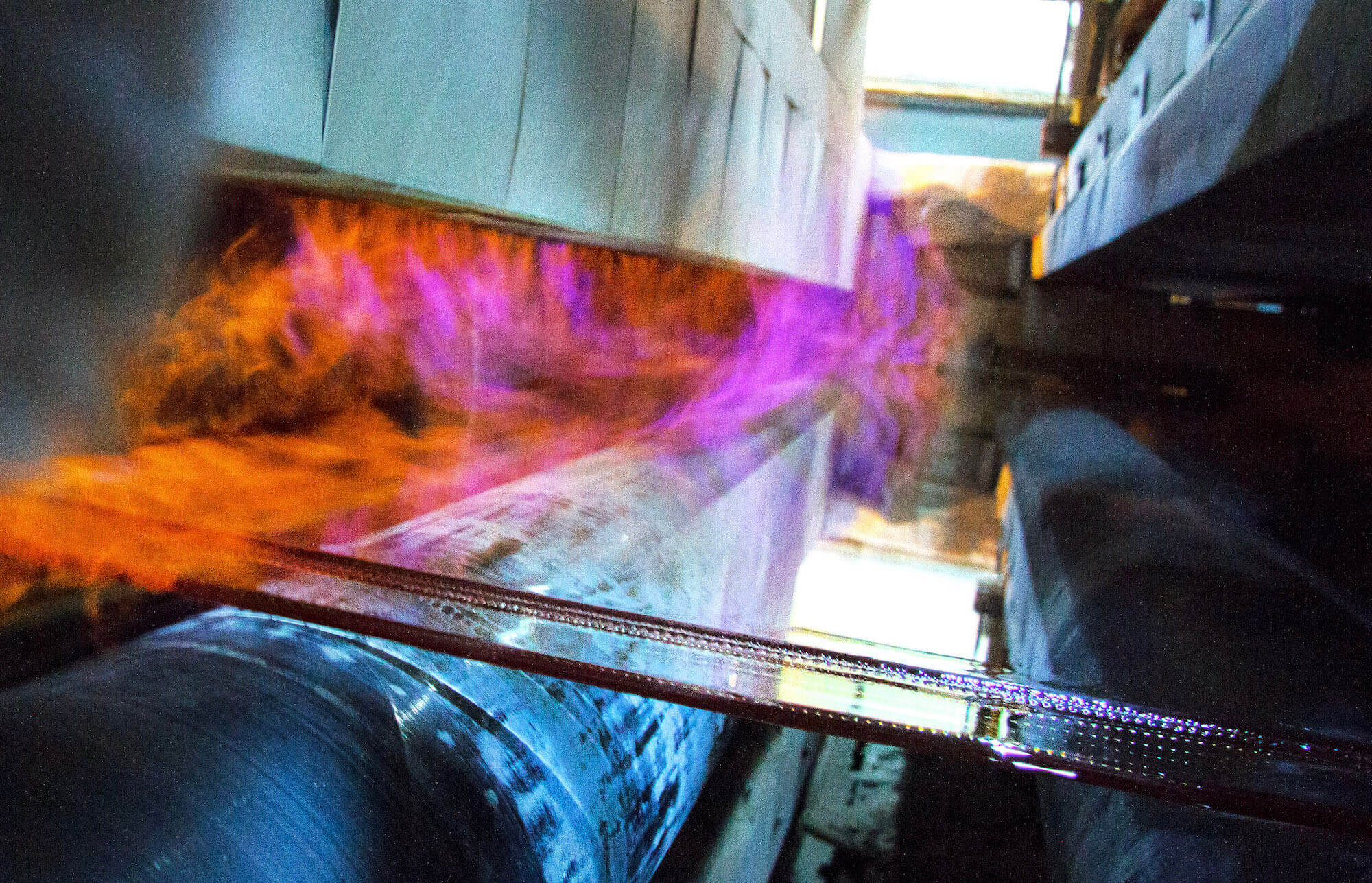
Rebuilding a glass furnace is no ordinary project. These efforts involve extreme heat, massive structural components, and volatile materials—all under tight time constraints. From initial teardown to full operational restart, every phase requires exceptional coordination, expert oversight, and unwavering attention to detail.
But what truly elevates the risk? It’s not just the technical difficulty—it’s the human factor. One misstep in safety planning or execution can result in serious injuries, equipment damage, or work stoppages that derail both budgets and reputations.
That’s why safety can’t be an afterthought. It must be embedded in every decision, every process, and every person on-site.
Why Safety Management Is a Strategic Imperative
Effective safety management creates real, measurable value across your operation. It protects your people, equipment and company, and eliminates costly downtime. And perhaps most importantly—it builds trust. Clients, partners, and your workforce all take notice when safety is a priority.
Projects that are delivered safely are more likely to be delivered on time and within budget. Those that aren’t can quickly spiral into delays, fines, or even litigation.
Navigating OSHA and Industry Standards—Without the Headaches
For glass furnace rebuilds, regulatory compliance is non-negotiable. But meeting OSHA and other industry standards isn’t just about checking boxes. It’s about fully integrating compliance into the fabric of your project.
That means:
- Knowing which federal, state, and international safety standards apply to your operation.
- Proactively addressing risks through detailed planning and hazard assessments.
- Building safety protocols into every stage of the rebuild process—from design to execution.
- Keeping your documentation airtight and ready for inspection at any time.
The companies that take this approach don’t just stay compliant—they operate more smoothly, earn stakeholder confidence, and avoid unpleasant surprises.
The Real Cost of Falling Short
Let’s not sugarcoat it: the financial consequences of non-compliance can be severe.
- Serious OSHA violations can lead to fines of up to $16,550.
- Willful or repeat violations can climb to $165,514 per instance.
- Failure to abate violations? You could be paying $16,550 every day until the issue is resolved.
And those are just the direct costs. The indirect costs—like higher insurance premiums, lost productivity, reputational damage, and administrative overhead—can hit even harder and linger much longer.
A Better Path Forward: Investing in Safety
So, what’s the solution? It starts with two things: training your workforce and committing to the economics of safety.
Training your workforce goes beyond mandatory certifications. It’s about giving people the tools and knowledge to recognize hazards, respond appropriately, and cultivate a safety-first culture. When teams feel empowered and informed, they perform better—and safer. The result? Improved morale, productivity, and project outcomes.
Investing in safety is one of the smartest business decisions you can make. Upfront costs in training, planning, and equipment are dwarfed by the long-term savings from avoiding injuries, fines, and disruptions. Safer operations are more efficient, more predictable, and more profitable.
Stay Safe & Efficient with the Right Strategy
Glass furnace rebuilds will never be simple—but they can be safe, efficient, and successful with the right strategy in place. That strategy starts with treating safety and compliance not just as requirements, but as core business drivers.
Thanks again to everyone who joined us at Hotbels 2025. We appreciated your energy, insights, and commitment to doing things the right way.
If you're preparing for an upcoming glass furnace rebuild or looking to strengthen your safety protocols, the SCT Operations team is always ready to help you assess risks, train your workforce or augment your team, and ensure compliance from day one. Contact us today.

.png?width=352&name=Construction%20Safety%20%20(1200%20x%20630%20px).png)