Ask The Safety Expert: Safety In Glass Manufacturing - The Challenges We Don't Talk About Enough
Dragan Savic
September 11, 2025
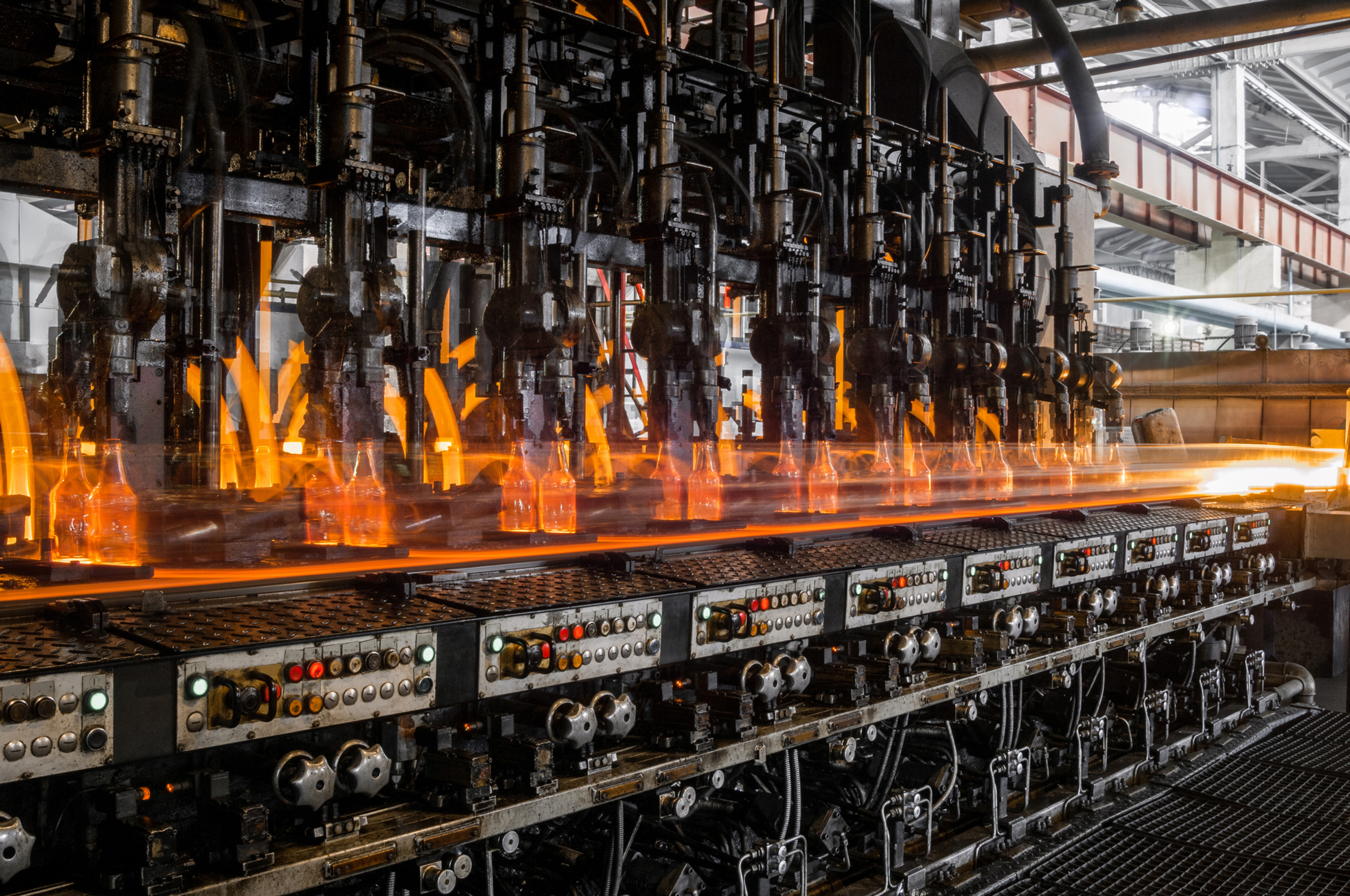
With more than 20 years in the safety field, I’ve seen firsthand how safety plays out in glass manufacturing plants across the U.S. From furnace rebuilds to daily production oversight, my work has put me shoulder-to-shoulder with plant managers, contractors and frontline teams navigating some of the toughest industrial environments.
What I’ve learned is that safety in glass manufacturing doesn’t come down to just one project or one policy. It takes the constant discipline of identifying potential hazards, reinforcing safe behaviors and staying ahead of risks in a 24/7 high-heat operation.
In this two-part series, I’ll answer some of the questions I hear most often from glass industry leaders and share lessons learned that can help you strengthen your programs and protect your people.
1. Do more safety incidents in glass manufacturing happen during regular operations or during furnace rebuilds?
While furnace rebuilds get a lot of attention, and rightfully so, most plants know that risks don’t wait several years to show up. The reality is that routine operations often generate more incidents than rebuilds. Think about melting, maintenance work or line adjustments. These tasks may feel “ordinary,” but they carry significant exposure because they happen so often.
During a recent routine inspection, I spotted a conveyor section where the guard had been removed for maintenance but never reinstalled. Thanks to the safety team’s proactive oversight, the issue was flagged before operators returned to the area. The guard was quickly replaced, eliminating the risk of clothing or hands being caught in the moving system. That quick intervention not only prevented a potential serious hazard but also avoided the kind of unplanned downtime that can be costly for a plant.
The lesson? Leaders can’t afford to treat safety in day-to-day operations as business as usual. The most effective programs apply the same level of rigor to daily operations as they do to large-scale projects.
2. How is the aging workforce in glass manufacturing affecting plant safety?
The demographic shift in manufacturing is real. It’s something that comes up regularly in my conversations with plant leaders and glass manufacturing professionals. According to the U.S. Bureau of Labor Statistics, nearly 25% of the manufacturing workforce is age 55 or older, and more than half are between 45 and 65. As veteran employees retire, decades of practical knowledge retire with them.
Younger or less experienced workers are stepping in, and, while they bring energy and adaptability, they often don’t have the same instinct for spotting subtle hazards. This isn’t about competence; it’s about experience. A worker with 30 years of furnace experience has seen the same situation play out hundreds of times.
This is where third-party safety experts can play a critical role. Certified safety contractors are much more than “extra hands.” Contract safety professionals can bring in a level of objectivity that may not be found in-house. And, their sole focus is hazard prevention and program consistency. That combination of experience and perspective helps bridge the gap left by an aging workforce.
3. Where do workers in glass plants get hurt most often during routine tasks?
This is a great question. It’s not always the big jobs that cause the worst outcomes. In fact, many of the most serious incidents stem from tasks that people deem routine.
The problem can often be complacency. When a task is repeated daily, shortcuts can creep in. In fact, we often see falls, flying objects, seatbelt violations, and slips and trips among the most common hazards in a glass manufacturing plant. But with the right safety experts on site, these can be identified and prevented before any injury or damage occurs and before complacency takes over.
This proactive approach to site safety is based on identifying near misses and putting the right structures in place to prevent them from occurring. This is why strong safety programs put just as much focus on everyday work instructions, job safety analyses, training and reinforcement as they do on the headline projects.
4. How do heat and long shifts impact worker safety in glass plants?
Anyone who’s spent time in a glass plant knows the conditions: constant high heat, long shifts, and continuous production. Heat stress alone can cause dehydration, confusion, or slower reaction times. Add in fatigue from extended shifts, and the margin for error narrows fast.
Small mistakes like misjudging a step become far more likely under these conditions. And in glass manufacturing, small mistakes can have big consequences.
The solution isn’t just engineering (cooling systems, better airflow) but it’s also about how we schedule and pace the people doing the work. Leaders need to treat heat and fatigue as critical risk factors, not just HR issues.
I have worked with glass manufacturing clients who prioritize “beat the heat” events among their teams, ensuring that all workers understand how to recognize heat-related illness and stay protected. These events are a great way to bring all levels of workers together to focus on staying alert and safe, so together they can beat the heat.
5. What do near-miss events really teach plant managers in glass manufacturing?
Near misses are some of the most valuable data points in any safety program, but only if they’re studied, not brushed aside. Each near miss is a free warning, a chance to see where a chain of small oversights could have ended very differently.
Plant managers who actively encourage near-miss reporting and review gain a sharper picture of their true risk profile. They also send a message to their teams: “We’re not just tracking injuries; we’re serious about prevention.”
Addressing Safety Everyday
The toughest part of safety in glass manufacturing isn’t the headline risk everyone sees. It’s the hidden, everyday challenges that often cause the most concern such as routine tasks, fatigue, and near misses. Addressing these requires vigilance, fresh perspective, and safety programs that focus on prevention at every level.
In Part 2, I’ll share best practices and emerging solutions that glass leaders can apply right now to strengthen their safety programs and protect people and production.
Need some help with safety programs, practices and oversight in your glass manufacturing environment? We are here to help and we have decades of experience supporting safety initiatives in glass manufacturing plants.

.png?width=352&name=Construction%20Safety%20%20(1200%20x%20630%20px).png)